
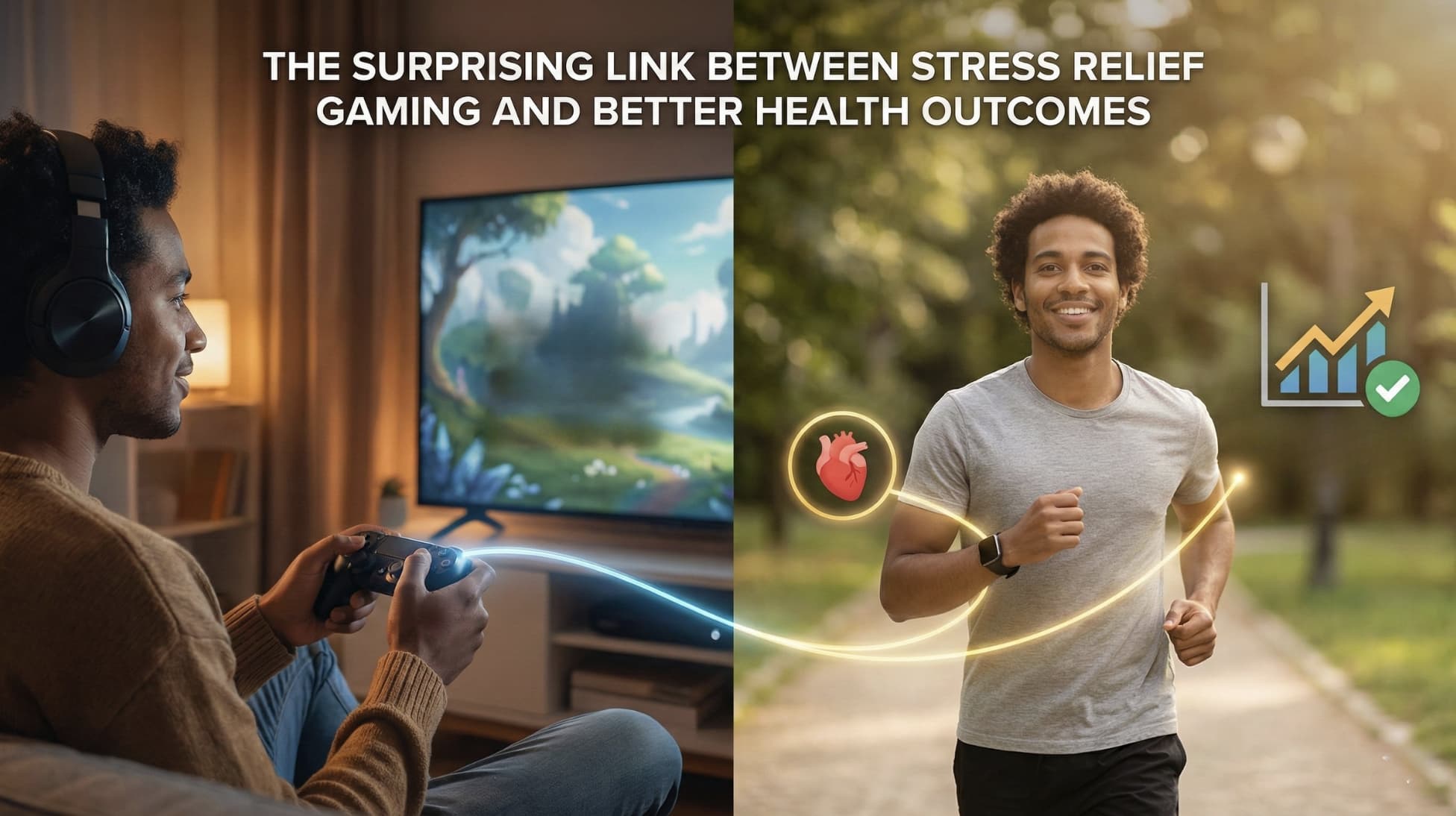
In our fast-paced modern world, stress has become a constant companion for millions of people. While traditional stress-relief methods like meditation and exercise remain popular, an unexpected ally has emerged in the battle against chronic stress: video games. What was once dismissed as mere entertainment is now gaining recognition as a legitimate tool for improving both mental and physical health outcomes.
The relationship between gaming and wellness represents a fascinating shift in how we understand both leisure activities and health management. As research continues to evolve, scientists are discovering that the right types of gaming experiences can trigger measurable improvements in everything from anxiety levels to immune system function. This isn’t about replacing traditional healthcare or wellness practices, but rather about recognizing gaming’s potential role in a comprehensive approach to health.
The Science Behind Gaming and Stress Reduction
When you engage in stress-relief gaming, your body undergoes real physiological changes. Studies have shown that certain types of gameplay can reduce cortisol levels—the hormone primarily responsible for stress—by up to 17% in some participants. This isn’t just a feeling of relaxation; it’s a measurable biochemical response that occurs in your body.
The brain’s response to gaming involves the release of dopamine, often called the “feel-good” neurotransmitter. This neurochemical reaction creates feelings of pleasure and accomplishment, which directly counteract the negative effects of stress. Additionally, immersive gaming experiences can activate the parasympathetic nervous system, the body’s natural “rest and digest” mode.
Research from the University of Oxford and other institutions has demonstrated that gaming can provide a form of active meditation. When players are fully engaged in a game, they enter a state of flow that pushes aside anxious thoughts and worries. This mental break allows the nervous system to reset and recover from daily stressors.
Physical Health Benefits of Stress-Relief Gaming
The connection between stress and physical health is well-established, which means anything that reduces stress can have cascading positive effects throughout the body. Chronic stress is linked to heart disease, high blood pressure, and weakened immune function. By providing an effective outlet for stress relief, gaming can help mitigate these risks.
Here are some key physical health benefits associated with stress-relief gaming:
- Improved cardiovascular health: Lower stress levels mean reduced strain on the heart and blood vessels
- Enhanced immune response: Studies show that stress reduction through enjoyable activities can boost immune cell activity
- Better pain management: Distraction through gaming has been used successfully in medical settings to reduce pain perception
- Regulated blood pressure: Regular stress relief through gaming can contribute to more stable blood pressure readings
Sleep quality also improves when stress levels are managed effectively. Many individuals report that moderate gaming sessions help them unwind after stressful days, leading to faster sleep onset and more restful nights. The key is timing—gaming too close to bedtime can have the opposite effect due to blue light exposure and mental stimulation.
Mental Health Advantages
The mental health benefits of stress-relief gaming extend far beyond simple distraction. For individuals dealing with anxiety and depression, gaming can provide a safe space to experience accomplishment, social connection, and positive emotions. These experiences are crucial for mental well-being, especially during challenging periods.
Gaming promotes neuroplasticity—the brain’s ability to form new neural connections. Puzzle games, strategy games, and problem-solving activities keep the mind active and engaged. This cognitive stimulation has been linked to better memory, improved decision-making skills, and enhanced creative thinking.
Social gaming platforms have created communities where players support each other through challenges both in-game and in real life. These connections combat loneliness and isolation, two major risk factors for poor mental health. Many players report that their gaming friends provide emotional support that complements their offline relationships.
The sense of achievement that comes from completing game objectives, no matter how small, can significantly boost self-esteem. For people struggling with depression or low motivation, these small wins can create positive momentum. Games provide structured goals and immediate feedback, which are powerful tools for building confidence.
Types of Games That Promote Wellness
Not all games are created equal when it comes to health benefits. The most effective stress-relief games tend to share certain characteristics: they’re engaging without being overwhelming, they provide a sense of progress, and they allow players to disconnect from real-world stressors.
The following game types are particularly effective for stress relief and wellness:
- Puzzle games like Tetris or Sudoku engage the mind without triggering stress responses
- Exploration and adventure games such as Journey or Animal Crossing offer calming environments and gentle objectives
- Creative sandbox games like Minecraft allow for self-expression and relaxation through building
- Cooperative multiplayer games that emphasize teamwork over competition foster positive social interactions
- Rhythm games combine music therapy benefits with engaging gameplay
- Casual mobile games provide quick stress-relief sessions during breaks
What matters most is finding games that match your personality and stress-relief needs. Some people find zen in repetitive matching games, while others prefer the narrative immersion of story-driven adventures. Experimentation is key to discovering what works best for you.

The Balance: Gaming as Part of a Healthy Lifestyle
While gaming offers genuine health benefits, moderation remains essential. The World Health Organization recommends viewing gaming as one component of a balanced lifestyle rather than a primary coping mechanism. Healthy gaming habits include setting time limits, taking regular breaks, and maintaining other wellness activities.
Consider these guidelines for healthy gaming:
- Set specific gaming windows rather than playing indefinitely
- Use gaming as a reward after completing other tasks
- Maintain physical activity through exercise or active gaming options
- Preserve face-to-face social connections outside of gaming
- Monitor your emotional state—gaming should relieve stress, not create it
Warning signs that gaming may be becoming problematic include neglecting responsibilities, sacrificing sleep, withdrawing from non-gaming relationships, or feeling anxious when unable to play. If you notice these patterns, it may be time to reassess your gaming habits or seek professional guidance.
Conclusion
The connection between stress-relief gaming and improved health outcomes is more than anecdotal—it’s supported by growing scientific evidence. From reduced cortisol levels to enhanced social connections, gaming offers a unique combination of mental and physical health benefits when approached mindfully. As our understanding of wellness continues to evolve, gaming is earning its place alongside traditional stress management techniques.
The key is intentionality: choose games that genuinely help you relax, set healthy boundaries, and view gaming as part of a comprehensive approach to wellbeing. Whether you’re solving puzzles during your lunch break or exploring virtual worlds on weekend afternoons, stress-relief gaming can be a valuable tool in your health toolkit. The future of healthcare may well include game controllers alongside yoga mats and running shoes.