
Testosterone is the main male hormone. It is responsible not only for physical strength and endurance, but also for mood, activity and overall well-being. Its levels naturally decline with age, but poor nutrition, stress and a sedentary lifestyle can accelerate this process.
The good news is that a well-balanced diet can maintain and even increase testosterone levels, improving a man’s quality of life. Let’s take a look at which foods help maintain hormonal balance and which eating habits are worth reconsidering.
Why is testosterone important?
It affects:
- muscle mass and strength;
- libido and reproductive function;
- energy and endurance;
- mood and motivation;
- heart and vascular health;
- bone density.
Low testosterone leads to fatigue, depression, weight gain, decreased sex drive, and an increased risk of cardiovascular disease.
Foods that increase testosterone
- Protein sources: lean beef (in moderation), chicken, eggs, fatty fish such as salmon and mackerel, Greek yoghurt.
- Healthy fats
Testosterone is produced from cholesterol, so it is important to consume healthy fats to maintain hormonal balance.
Good sources of fat: avocados, olive oil, nuts (walnuts, almonds, cashews), seeds (pumpkin, flax, chia), fatty fish.
- Eggs – a superfood
Rich in cholesterol, protein, vitamin D and ‘good’ fats. 1–2 eggs a day is optimal.
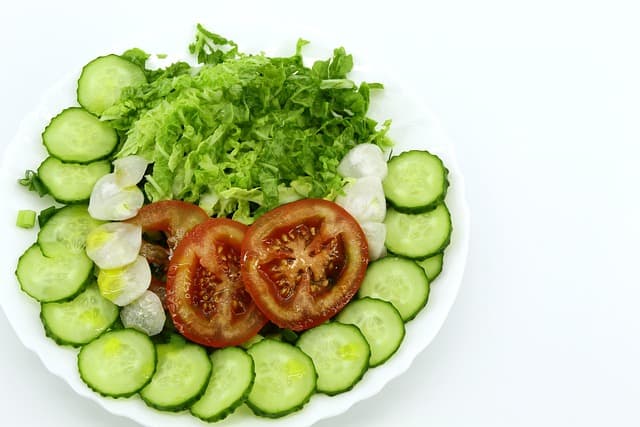
- Greens and vegetables
Cruciferous vegetables (broccoli, cauliflower, and Brussels sprouts) lower oestrogen levels, helping to balance hormones. Spinach, arugula, parsley, onions, and garlic are also beneficial.
- Zinc and magnesium
Key minerals for male hormone balance.
Zinc: oysters, red meat, pumpkin seeds, cheese.
Magnesium: nuts, legumes, dark chocolate, spinach.
- Fruits and berries
Antioxidants help fight stress: pomegranates, blueberries, raspberries, cranberries, kiwis, citrus fruits.
- Whole grains and complex carbohydrates
Buckwheat, oats, quinoa, brown rice provide stable energy without sharp insulin spikes.
What to drink?
- Water is the basis.
- Green tea provides antioxidants.
- Coffee (in moderation) — short-term testosterone boost.
Avoid sweet fizzy drinks and excessive alcohol (especially beer).
Foods that lower testosterone.
Sugar, sweets, alcohol, fast food and trans fats, excess soy.
Tips for maintaining healthy hormone levels
- Control your weight—excess fat suppresses testosterone.
- Do strength training.
- Sleep 7–8 hours.
- Minimise stress — high cortisol reduces testosterone.
Nutrition as a path to male strength.
By choosing foods rich in protein, healthy fats, vitamins and minerals, you maintain hormonal balance and fill your body with energy for new victories.